People tend to notice drainage only when it fails. A gully overflows after heavy rain, a kitchen sink starts making ominous noises, or a faint smell drifts up from somewhere no one can quite place. Yet in older cities, drainage is not just a background utility. It is a quiet piece of civic history, patched, extended, adapted and often strained by modern living.
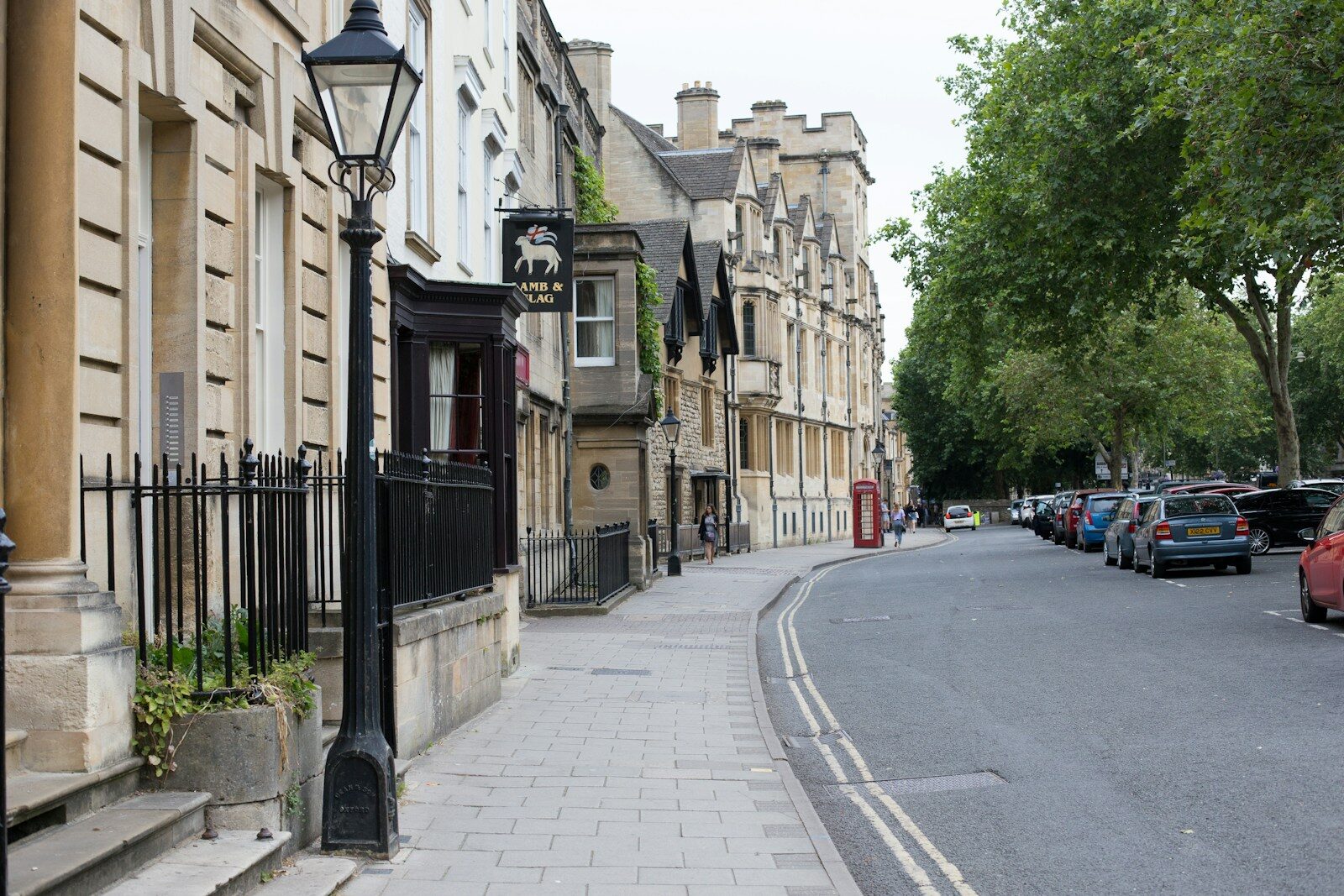
Oxford is a good example. Its charm lies partly in its age and layout: narrow streets, listed buildings, odd property boundaries and infrastructure forced to adapt to centuries of change. That makes water management more interesting than it sounds. The way a city drains affects road maintenance, housing conditions, flood resilience and whether small businesses can open as usual after a storm.
For householders, the issue gets practical very quickly. Knowing who to call, what counts as a private responsibility and what might point to a deeper problem can save money and disruption. That is partly why searches such as drain company Oxford appear so often. Drains are not glamorous, but people want clear local information when old systems are pushed by modern demand.
What tends to put pressure on urban drains?
- Heavier downpours after dry spells
- Tree roots in older pipework
- Extensions built onto ageing systems
- Fat, wipes and everyday misuse
There is also a broader lesson here. Cities are often judged by what visitors can see, but the systems below the surface matter just as much. Good drainage rarely gets much admiration, yet it protects homes, preserves buildings and keeps daily life moving with minimal fuss. In places with long histories, that kind of hidden resilience deserves more attention than it usually gets.
Photo by Tetiana Shyshkina.