There was a time when door security stayed in the background, noticed only when a key went missing or a lock jammed in the rain. Now it shapes how many buildings are planned and used. Schools, shared offices, GP surgeries and even small arts venues are thinking more carefully about who comes in, which areas stay private, and how to make that process feel orderly rather than hostile.
The shift is not just about crime. Buildings now serve several purposes at once. A community hall may host a yoga class in the morning, a council meeting in the afternoon and a youth group in the evening. A workplace may have delivery drivers, contractors and hybrid staff coming and going at different times. In that sort of setting, a basic lock-and-key routine soon feels clumsy.
That is why discussion of a good access control system has moved beyond facilities managers and into wider conversations about building design. The issue is as much about practicality as protection, making sure the right people can enter the right spaces without bottlenecks at the door or endless admin behind the scenes.
The quiet shift in expectations
People now expect entry systems to be simple, dependable and almost invisible. When they work well, nobody comments on them. When they work badly, everyone does.
- Visitors should know where to go
- Staff should not be juggling keys for every internal door
- Shared sites should be able to separate public and private areas sensibly
That may not sound glamorous, but it shapes how safe and usable a place feels. Good door access is rarely about drama. It is about cutting friction in ordinary daily life. In that sense, one of the most important building technologies in use now is also one of the least showy.
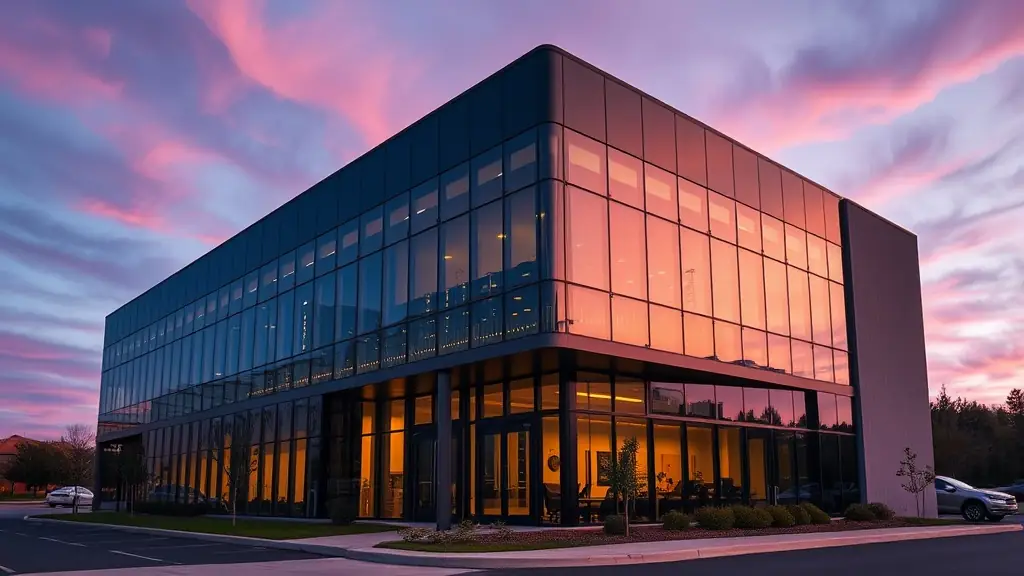
Featured image: AI generated.