Construction sites are busy working environments where multiple trades, heavy machinery, building materials and specialist equipment often come together. Although the industry has made considerable progress in improving working conditions, construction remains an environment where accidents can have serious consequences. Effective site safety is therefore essential, protecting workers, visitors and members of the public while helping projects run efficiently.
Identifying Potential Site Hazards
Every construction site presents its own set of risks, depending on the type of work being undertaken, the size of the development and the equipment being used. Common hazards include working at height, moving vehicles, exposed electrical systems, falling materials and uneven ground.
Carrying out suitable risk assessments helps identify these dangers before work begins. Site managers can then introduce appropriate control measures, establish safe working procedures and ensure that everyone understands the potential risks associated with their tasks.
Providing Appropriate Training and Equipment
Workers need to understand how to carry out their duties safely, particularly when operating machinery or using specialist tools. Proper training helps reduce the likelihood of mistakes and gives employees the knowledge to recognise potentially dangerous situations.
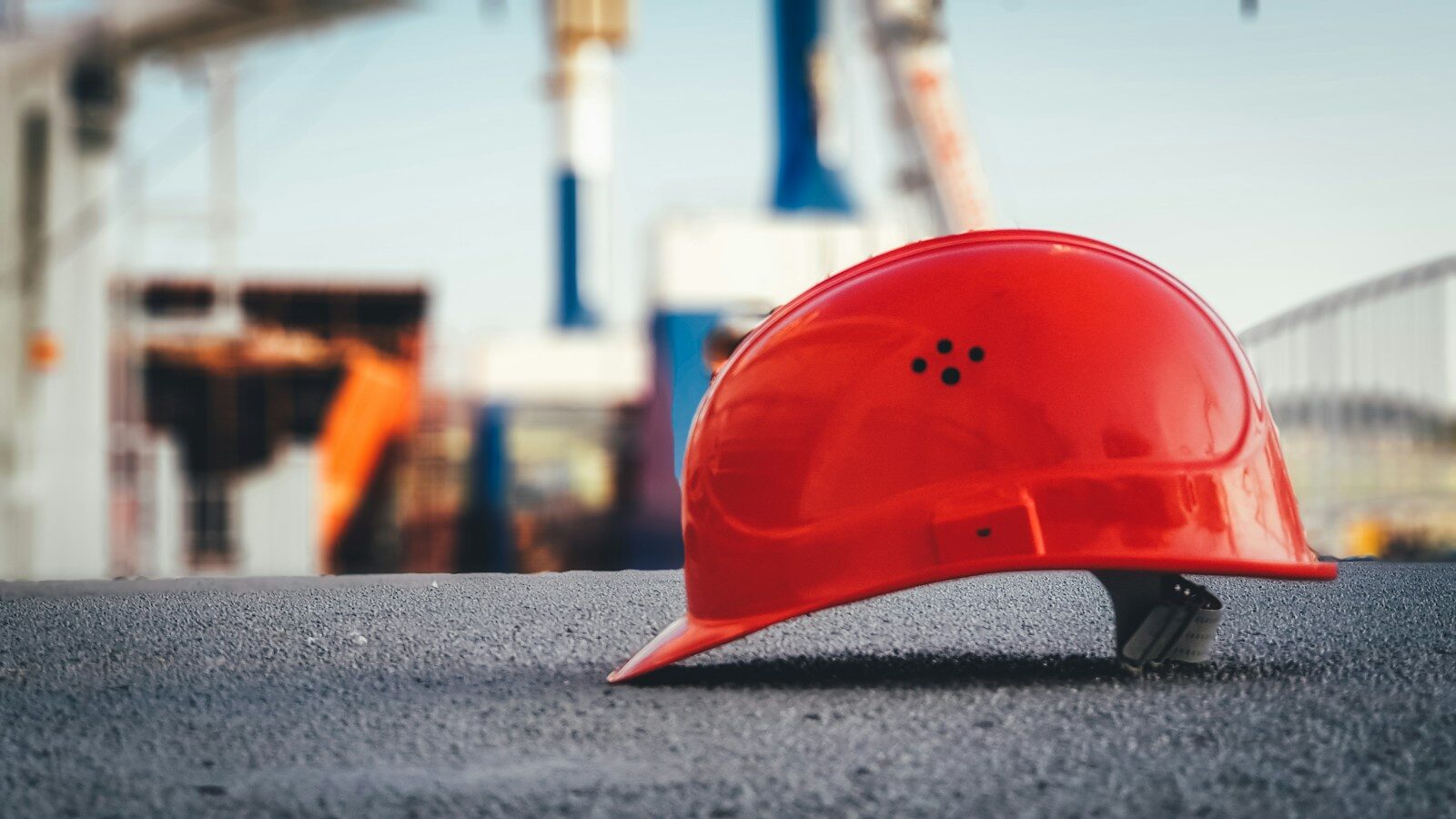
Personal protective equipment (PPE) is another essential consideration. Depending on the work involved, this may include hard hats, protective footwear, high-visibility clothing, gloves, eye protection and hearing protection. Employers should ensure that equipment is suitable for the task and maintained in good condition.
Keeping Construction Sites Organised
Good housekeeping can make a considerable difference to site safety. Materials left in walkways, trailing cables, discarded packaging and poorly stored equipment can all create unnecessary hazards.
Keeping access routes clear, organising storage areas and removing waste regularly helps reduce the risk of slips, trips and falls. It also makes it easier for workers to move around the site and locate the materials or tools they need.
Clear signage and designated pedestrian routes are particularly important on larger developments where delivery vehicles, plant machinery and construction workers may be operating in close proximity.
Machinery, Vehicles and Site Security
Heavy machinery is an essential part of many construction projects, but it must be operated and maintained correctly. Equipment should only be used by appropriately trained and authorised personnel, with regular inspections helping to identify mechanical problems before they create a safety risk.
Site security is equally important. Unauthorised access can expose members of the public to dangerous equipment, unfinished structures and potentially hazardous materials. Secure fencing, controlled entry points, suitable lighting and regular inspections all contribute to a safer working environment.
Building a Positive Safety Culture
Construction site safety should be an ongoing responsibility rather than something considered only during inspections. Workers should feel comfortable reporting hazards, raising concerns and highlighting unsafe practices without worrying about criticism.
Regular toolbox talks, safety briefings and site meetings help reinforce good working habits. They also provide opportunities to discuss new risks as projects move through different stages.
Ultimately, a safe construction site benefits everyone involved. By investing in training, suitable equipment, effective supervision and sensible working procedures, construction businesses can reduce accidents, protect their workforce and create a more productive environment.
Photo by Ümit Yıldırım.