There was a time when practical buildings looked unapologetically practical. Retail parks, small warehouses, workshops and sports halls often shared the same flat, forgettable appearance, built to do a job and not much else. Lately, though, even the most functional parts of the built environment have started to look more considered.
Part of that comes down to changing expectations. People notice design more than they used to, even in places that aren’t meant to be beautiful. A doctor’s surgery on an industrial estate, a new school extension, a self-storage unit by the ring road, all are judged, at least in part, by how well they sit in their surroundings.
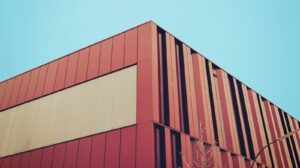
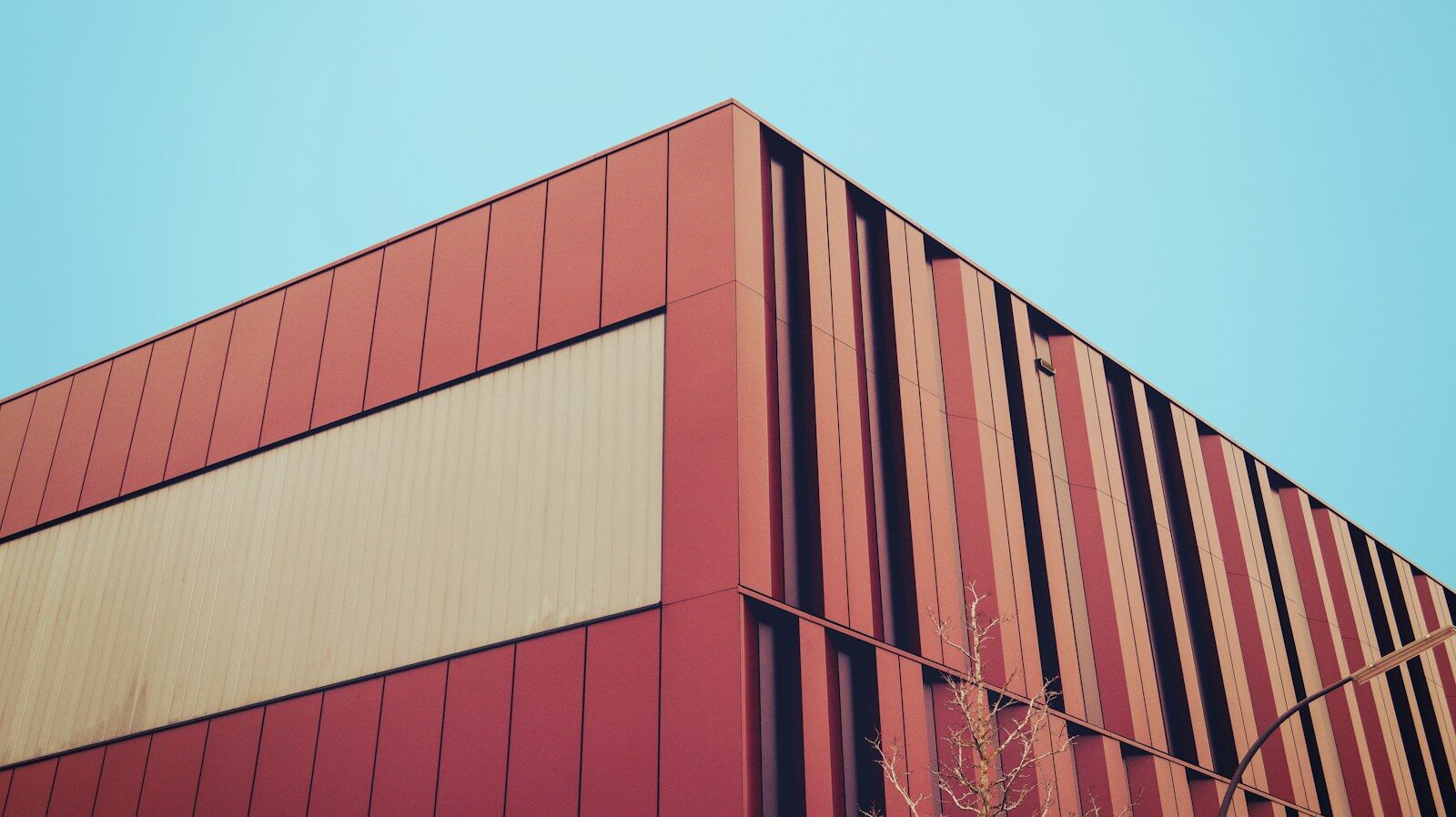
That helps explain the quiet rise of metal cladding in everyday construction. It has become one of those materials most people recognise without knowing the name: crisp lines, neat profiles and a finish that can make a plain structure feel deliberate rather than temporary. In the right setting, it gives a building a cleaner face without pretending to be something grander than it is.
Function first, but not function only
What’s interesting is that this isn’t really a story about fashion. It’s about the slow disappearance of the old divide between “useful” and “nice-looking”. Local authorities, business owners and developers increasingly want both. They want materials that are straightforward to specify, hard-wearing in British weather, and visually tidy from day one.
- Simple shapes can still look sharp
- Durability now matters as well as appearance
- Even modest projects are expected to look finished
Perhaps that’s the wider shift: we no longer accept that ordinary buildings should be ugly by default. If a material can improve the look of a place without needless fuss, people will notice, even if they never stop to ask what it’s called.
Photo by Anatol Rurac.