Maximising natural light is a key consideration in modern construction, whether you’re designing a residential extension, commercial property, or refurbishment project. The right roof glazing solution can transform a space, improving aesthetics, energy efficiency, and occupant wellbeing. Among the most popular options is the roof light dome, but how does it compare to roof lanterns and skylights—and which is best suited to your build?
Understanding Roof Light Domes
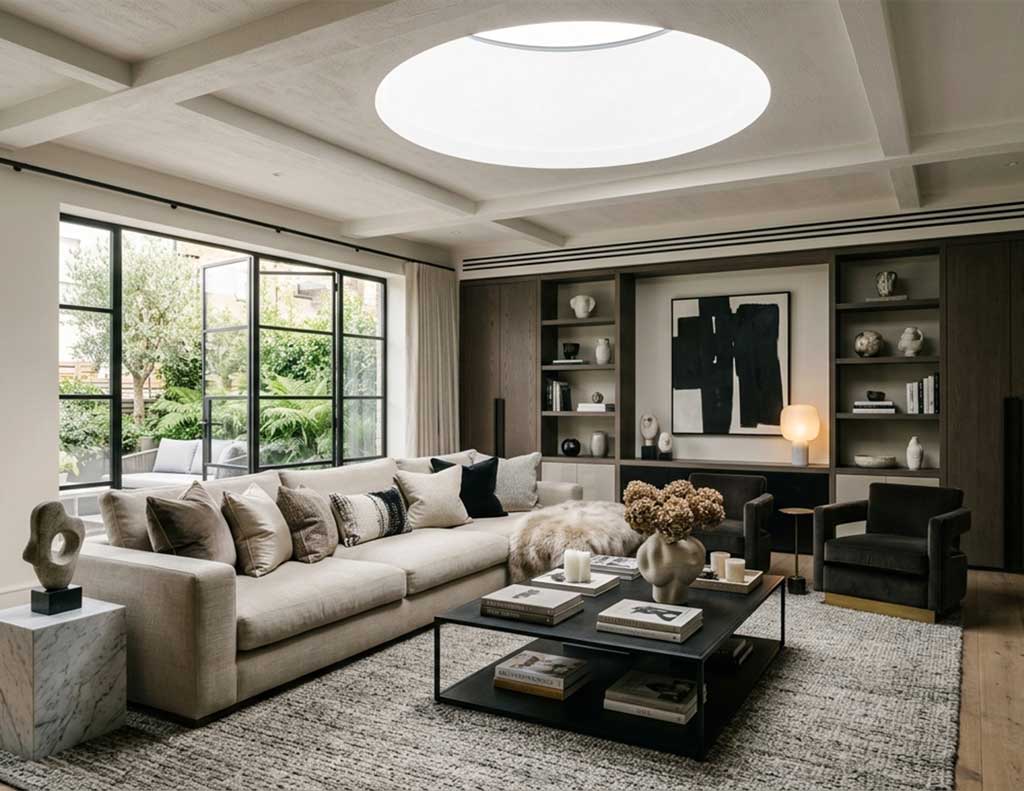
A roof light dome is a practical, cost-effective solution typically installed on flat or low-pitched roofs. Made from durable materials such as polycarbonate or acrylic, these domes are designed to maximise light diffusion while offering excellent weather resistance. Their curved or pyramidal shape helps shed rainwater easily, making them particularly suitable for the unpredictable UK climate.
One of the biggest advantages of a roof light dome is its versatility. It can be used across a wide range of building types, from schools and offices to industrial units and home extensions. They’re also relatively quick to install, which can help keep project timelines on track. For projects where budget and functionality are key, this option often stands out.
What Sets Roof Lanterns Apart?
Roof lanterns are typically associated with more premium residential builds, particularly kitchen extensions and orangery-style spaces. Installed on flat roofs, they feature a raised, glazed structure that creates a striking architectural focal point.
Unlike a roof light dome, roof lanterns prioritise design impact as much as functionality. They allow light to flood in from multiple angles, creating a bright, open feel. However, this aesthetic appeal often comes at a higher cost, both in terms of materials and installation. They also require more structural support, which may not be suitable for all projects.
For developers or homeowners aiming to create a high-end finish, roof lanterns can significantly enhance perceived property value.
Skylights: A Balanced Middle Ground
Skylights offer a versatile alternative that bridges the gap between domes and lanterns. Typically installed flush with the roofline, skylights provide a sleek, modern appearance that works well in both residential and commercial settings.
Compared to a roof light dome, skylights tend to offer clearer views of the sky, as they are usually made from flat glass panels. This makes them ideal for spaces where visual connection to the outdoors is important. They also often come with advanced glazing options, improving thermal performance and solar control.
However, skylights can be more expensive than domes and may require more precise installation. In some cases, they may also need additional maintenance to keep the glass clean and performing optimally.
Key Factors To Consider When Choosing
Selecting between a roof light dome, roof lantern, or skylight depends on several project-specific factors. These include budget, building type, structural constraints, and desired aesthetic.
- Budget: Roof light domes are typically the most cost-effective option, while roof lanterns are at the higher end of the scale.
- Design Intent: If visual impact is a priority, roof lanterns or skylights may be more suitable.
- Installation Requirements: Domes are generally easier and quicker to install, making them ideal for large-scale or time-sensitive projects.
- Energy Efficiency: Modern skylights and domes both offer strong thermal performance, but specifications vary depending on glazing and materials.
- Maintenance: Domes often require less upkeep due to their shape and material durability.
Which Option Is Right For Your Build?
There’s no one-size-fits-all answer when choosing between these daylighting solutions. For commercial or industrial applications, a roof light dome often delivers the best balance of performance, durability, and cost efficiency. For residential extensions or architect-led designs, skylights and roof lanterns may offer greater visual appeal.
Ultimately, the decision should align with your project goals. If you’re prioritising practicality and value, domes are a reliable choice. If aesthetics and architectural impact are more important, skylights or lanterns may be worth the investment.
Featured image credit: AI generated.