Lone working is a reality for a huge proportion of the UK workforce. Yet despite how common it is, many organisations still lack clear policies around it — leaving both employees and employers exposed. Understanding the risks, the rules, and the right safeguards is essential for anyone responsible for workplace safety.
What Is a Lone Worker?
Before putting any safety measures in place, it’s important to be clear on who actually falls into this category. So what is a lone worker? The Health and Safety Executive defines lone workers as those who work by themselves without close supervision. This includes people working at a separate location from their employer, those who work outside normal hours, and anyone who travels alone as part of their role.
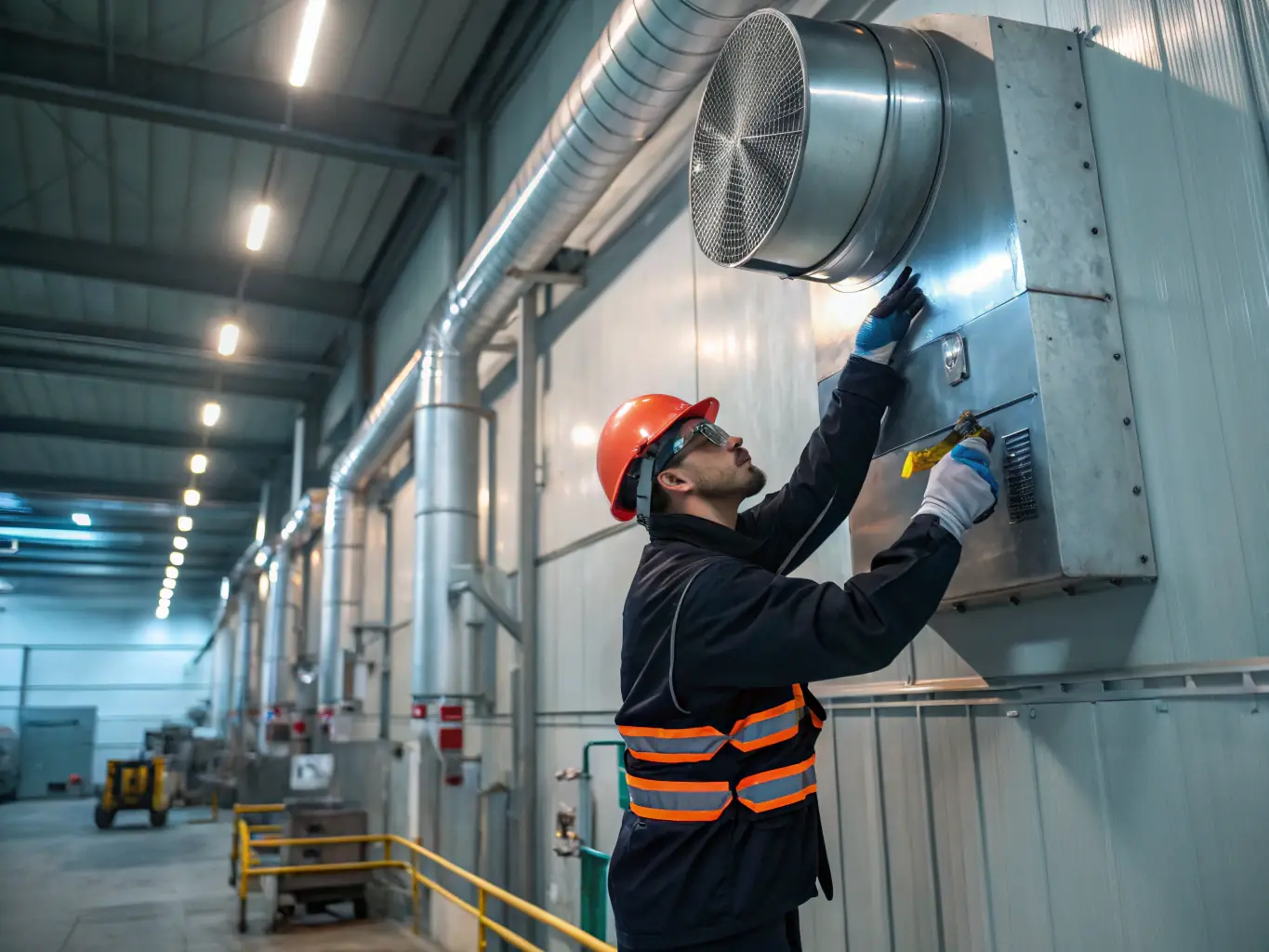
The definition is broader than most people assume. It’s not just someone working in a remote field — it includes a nurse doing home visits, a security guard on a night shift, an estate agent conducting a solo viewing, or an IT engineer working alone in a server room. Any situation where a worker would struggle to get immediate help in an emergency counts.
Why Lone Working Carries Greater Risk
The core challenge with lone working is the absence of immediate support. When something goes wrong — whether a medical episode, an accident, or a threatening situation — there’s no colleague on hand to raise the alarm or provide assistance.
This delay in response can turn a manageable incident into a serious one. It also means that problems can go unnoticed for extended periods. A worker who has had an accident in a remote location may not be missed until they fail to return at the end of a shift, by which point valuable time has already been lost.
Employer Responsibilities Under UK Law
Employers have a clear legal duty to protect lone workers. The Health and Safety at Work Act 1974 requires employers to ensure the health, safety, and welfare of all employees, and the Management of Health and Safety at Work Regulations 1999 require them to carry out suitable risk assessments for all working activities — including lone working.
This means identifying the specific hazards a lone worker might face, assessing the likelihood and severity of those risks, and putting proportionate controls in place. Generic risk assessments that don’t account for the realities of lone working are unlikely to satisfy a regulator or hold up following an incident.
What a Robust Lone Working Policy Looks Like
Good lone working safety isn’t just about technology — it starts with policy. Employers should have a clear written procedure that covers how lone working is authorised, what check-in arrangements are in place, how emergencies are escalated, and what training employees receive before working alone.
Regular check-ins are one of the simplest and most effective controls. Whether by phone, app, or a dedicated monitoring system, knowing that a worker is expected to make contact at set intervals — and that a failure to do so will trigger a response — provides a meaningful safety net.
The Role of Technology in Lone Worker Safety
Alongside policy and training, technology plays an increasingly important role. Dedicated lone worker devices and smartphone apps can provide GPS location tracking, automated check-in prompts, panic alerts, and man-down detection. When connected to a 24-hour monitoring centre, these tools ensure that help can be dispatched quickly and accurately when it’s needed.
The key is choosing a solution that suits the environments and risk levels your workers actually face, and ensuring that staff are properly trained to use it. A device that sits unused offers no protection at all.
Employee Responsibilities
Lone working safety isn’t solely the employer’s responsibility. Employees also have a duty under health and safety law to take reasonable care of their own safety and to follow the procedures their employer has put in place. This means completing check-ins as required, reporting concerns about lone working situations, and raising any incidents — however minor — so that risk assessments can be kept up to date.
Building a culture where lone workers feel comfortable raising concerns is just as important as having the right equipment in place.
Featured image credit: AI generated.